About Me
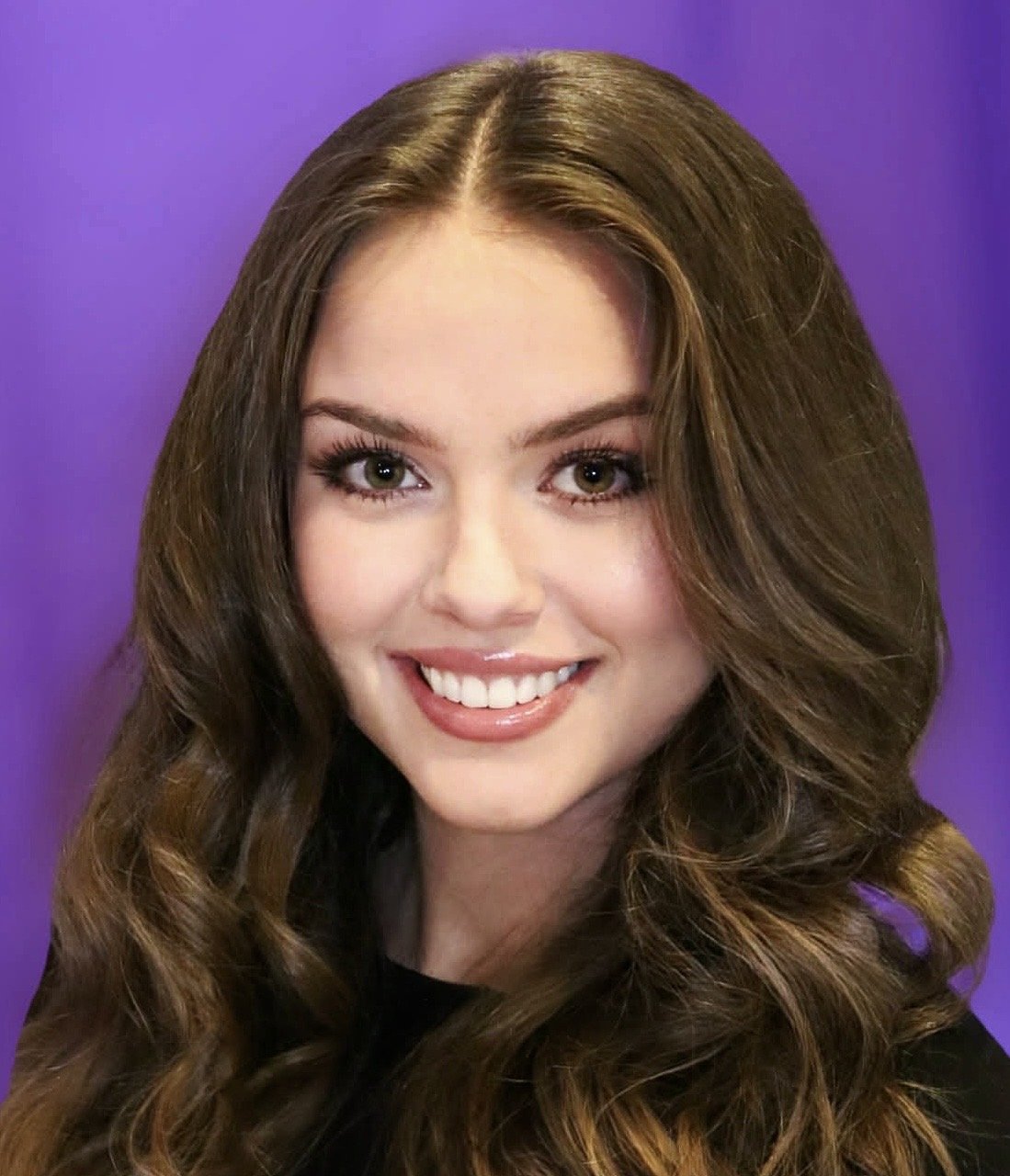
I’m Shae Ray, a private voice and classical piano teacher based in Killeen, Texas. I offer in-person, virtual, and hybrid lessons for children and adults.
Music has been a part of my life since I began singing and playing piano at five years old. Today, I share that love of music with my students, helping each one build confidence, develop strong technique, and discover their own musical expression. I take great pride in seeing my students grow in knowledge, technique, and musicianship—and in watching them become proud of their own progress.
My classical piano foundation was shaped by private study with Joseph Hicks, who began teaching at age fourteen and shared with me that his teaching lineage traces back eight generations to Ludwig van Beethoven. His guidance helped shape my technique, musical interpretation, and appreciation for the classical tradition. More recently, I have continued my training with Arianna Giesbrecht, an award-winning classical pianist and graduate of The Juilliard School. In my piano lessons, I bring these influences together with sight-reading, music theory, and a strong technical foundation that students can build on as they progress.
My vocal education has included private study with Sandra Schoenecker, Leslie Hooe, Gabriella Bastek, Emily Fink, and Charissa Whillock. Through training with professional opera singers and New York City Broadway performers, I have explored both classical and musical theatre approaches to singing. Emily Fink’s performance experience includes Broadway’s Dead Outlaw and the national tour of Les Misérables. My teachers’ backgrounds collectively span opera, musical theatre, and contemporary styles.
I continue to take lessons and pursue my own training in both voice and piano. Being a teacher also means remaining a student: I am continually deepening my knowledge, refining my skills, and bringing what I learn into my work with students.
Alongside teaching, I am an active musical theatre performer. My roles have included Anya in Anastasia, Maria in The Sound of Music, Sister Mary Robert in Sister Act, Karen in Mean Girls, Clarice in Rudolph the Red-Nosed Reindeer, and Belle in Beauty and the Beast. I have also worked as a professional princess performer in Hawaii, portraying Belle, Ariel, and Aurora. These experiences inform the way I help students connect technique with storytelling, expression, and confidence onstage.
My teaching experience extends into the rehearsal room, where I have served as Vocal Director for Straight Outta Bethlehem and Assistant Vocal Director for Descendants: The Musical. Through sectionals, individual coaching, and rehearsal recordings, I have helped performers learn their music and prepare for the stage.
In voice lessons, I emphasize a foundation in technique and healthy vocal habits, helping students understand how their instrument works. We explore breath coordination, solfège, musicianship, and repertoire suited to each student’s voice, interests, and goals. Whether a student loves classical music, musical theatre, or pop, my aim is to help them sing with intention, freedom, and expression.
For my adult students, I tailor lessons to their goals, interests, and pace, whether they are starting for the first time or returning to music.
A studio where students can enjoy learning
In my private studio, I strive to bring joy into each lesson. As a child, I loved playing piano and singing, but I often found lessons rigid, boring, and seemingly endless. That experience has shaped the teacher I want to be. Today, I regularly hear students express surprise that their lesson is already over because they have enjoyed their time so much.
I structure each lesson around the student’s needs, considering their age, maturity, attention, and even how they are feeling that day. Some days call for an extra challenge; others call for smaller steps, encouragement, or a brief break. Every day will look a little different, and I will always meet students where they are while helping them move forward.
For families with multiple children, I have created craft and activity bins so siblings can enjoy their time in the studio while waiting. My younger students also have opportunities to enjoy these activities during lesson breaks.
I also offer a reward system that gives children something to work toward. Students can earn one star each week and save their stars for prizes ranging from one to fifty-two stars. Goals typically include participation, behavior during lessons, and practice throughout the week, but I adjust expectations to reflect each student’s individual needs. I have seen this system make a meaningful difference in students’ motivation, consistency, and enjoyment of music.
Patience, understanding, and meaningful growth
My background includes training and work in Applied Behavior Analysis (ABA), which has helped me tremendously as a teacher. I have taught children on the autism spectrum, children with ADHD, and students who need additional support with attention, behavior, or emotional regulation.
Parents sometimes come to me worried that their child will be considered “difficult” or will struggle in lessons. I have never turned a child away simply because of those concerns. I take time to understand the student, learn what helps them succeed, and build trust. With patience, encouragement, and consistent support, students whose parents initially worried about lessons have become some of my most accomplished students.
Every student deserves a teacher who cares, listens, and takes the time to understand them. I want my students to feel comfortable asking questions, making mistakes, and working through challenges without feeling ashamed of needing help.
While I bring fun and flexibility into lessons, I also hold high expectations for my students. I believe in their ability to grow, and I encourage effort, responsibility, and steady progress. My goal is to help them develop as both musicians and individuals.
Music lessons offer opportunities to practice patience, perseverance, and delayed gratification. Students learn to work toward something they cannot do yet, break a difficult task into manageable steps, and keep going when progress feels slow. They practice accepting feedback, recovering from mistakes, and following through even when motivation is low. Over time, they discover that struggling with something does not mean they are incapable—it is often part of learning.
Those lessons reach far beyond sheet music. The confidence that comes from working through a difficult passage, preparing for a performance, or finally mastering a skill can help students approach other challenges with greater courage and resilience. I want them to leave lessons knowing that they can do difficult things, ask for support, and take pride in the effort that helps them grow.
Whether you are beginning your musical journey or returning to a longtime passion, I would love to help you take your next step.